
































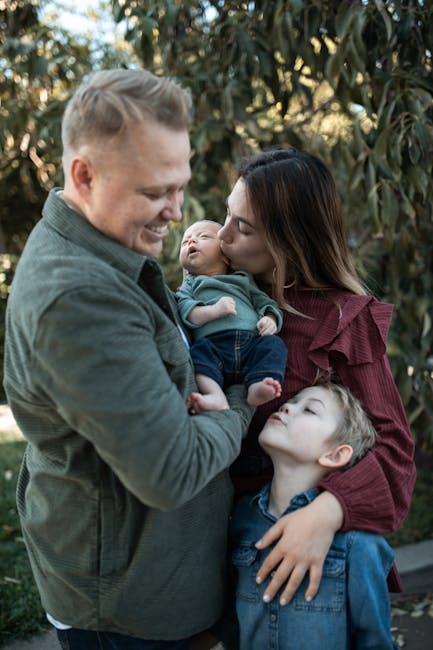
8 Signs Your Baby is Excelling in Infant Sensory Development
Welcoming a new baby into your home is an exhilarating experience filled with both exciting milestones and countless questions. As a parent, you’re constantly observing and wondering if your baby is on the right track, especially in terms of their development. One crucial aspect of early development is sensory growth, which includes how your infant responds to their environment through touch, sight, hearing, smell, and taste. Recognizing the signs of excellent sensory development can reassure you that your baby is thriving. Here are eight key indicators that your little one is excelling in infant sensory development.
1. Responsive to Touch
From a gentle caress to a warm hug, if your baby seems particularly responsive to different types of touch, it’s a good sign they are developing well sensorily. This could be them calming down instantly when you cuddle them or showing a preference for certain textures. Responsive behavior to touch indicates that your baby’s nervous system effectively processes tactile information, a fundamental aspect of sensory development.
2. Follows Moving Objects with Their Eyes
Visual tracking is a significant milestone in the early stages of life. By the age of two to three months, most babies start to follow moving objects with their eyes. This ability not only signifies strong visual acuity but also indicates that their brain is correctly processing visual stimuli. You might notice this when your baby watches a colorful mobile spin above their crib or follows a toy moving across their line of sight.
3. Turns Head Towards Sounds
Does your baby turn their head towards the sound of your voice or seems startled by loud noises? This reaction is a pivotal sign of healthy auditory development. It shows that your baby is not only hearing sounds but is also beginning to understand where they come from, an essential part of auditory sensory development.
4. Smiles at Familiar Faces
Recognition and social bonding are also tied to sensory and cognitive development. If your baby beams a smile at familiar faces, it implies they recognize and are comforted by the sight, which is a positive sign of visual and emotional processing.
5. Shows Curiosity About Surroundings
An inquisitive baby who looks around at their surroundings or reaches out to grab objects is displaying healthy sensory and motor development. Curiosity leads to exploration, which is driven by well-developed sensory capabilities. If your infant is constantly engaging with their environment, it’s a robust indicator of sensory maturity.
6. Discerns Different Scents
Infants have a keen sense of smell right from birth, which helps them in recognizing their mother and detecting differences in breast milk. If your baby shows preference or aversion to certain scents, it’s a display of their developing olfactory system. This sense is crucial for future flavor and food preferences and is part of the broader sensory development spectrum.
7. Sensitive to Taste Differences
Taste sensitivity is another critical aspect of sensory development. A baby excelling in this area might show preferences for certain tastes over others. This can be observed during feeding times – watch if they react differently to various formula types or when you introduce solid foods.
8. Calms Down With Soothing Sounds
Some babies might show a remarkable ability to calm down with certain sounds, such as lullabies, white noise, or the calming voice of a parent. Sensitivity to such auditory stimuli is indicative of good auditory sensory processing skills.
Conclusion: Celebrating Sensory Milestones
Every baby is unique, and sensory development can vary widely from one child to another. However, the 8 signs mentioned provide a general guide to understanding and recognizing when your baby is excelling in infant sensory development. Celebrate these little milestones and continue to provide stimulating experiences that can help enhance your baby’s sensory skills. Remember, if you have any concerns about your baby’s development, it’s always a good idea to discuss them with your pediatrician. By staying observant and informed, you can ensure your baby gets the best start in their sensory journey.