
































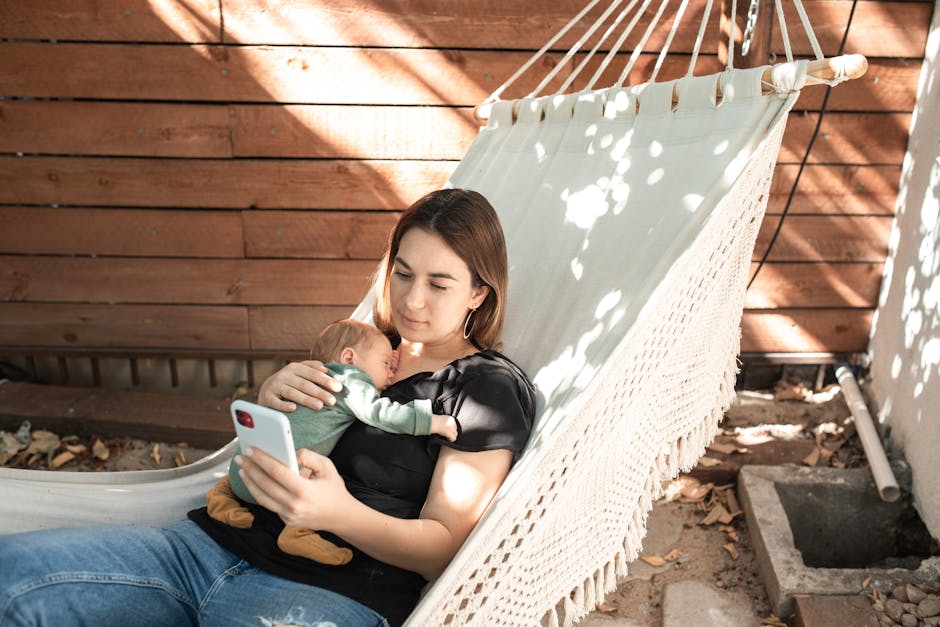
5 Common Mistakes to Avoid for Newborn Safety Precautions
Welcoming a newborn into your family is a time of joy and excitement. During this time, parents are often bombarded with advice, complicating their efforts to ensure their baby’s safety. Ensuring a safe environment for your newborn requires attention to detail and awareness of potential risks, many of which might not be immediately obvious. To help you navigate this critical period, here are five common mistakes to avoid when it comes to newborn safety precautions.
1. Ignoring Safe Sleep Guidelines
The Mistake: Putting Objects in the Crib
One of the most prevalent safety mistakes new parents make is adding unnecessary items to a baby’s sleeping environment. Pillows, blankets, stuffed animals, and bumpers might look cute and cozy, but they pose significant risks including sudden infant death syndrome (SIDS) and accidental suffocation.
The Solution: Keep the Crib Clear
Follow the American Academy of Pediatrics’ recommendations for safe sleep:
- Use a Firm Sleep Surface: Invest in a firm mattress covered by a fitted sheet.
- Keep the Crib Bare: Aside from a well-fitted mattress and sheet, the crib should be empty.
- Back to Sleep: Always place your baby on their back to sleep, not on the stomach or side.
2. Overlooking the Importance of Car Seat Safety
The Mistake: Incorrect Car Seat Installation
Car seat installation can be complex and often, without realizing it, parents might not install it correctly. An improperly installed car seat can drastically reduce its effectiveness in protecting your baby in the case of an accident.
The Solution: Check Car Seat Installation
- Seek Professional Help: Visit a car seat inspection station, where certified technicians can help you install the car seat correctly and teach you how to use it properly.
- Read the Manual: Always refer to your car seat’s manual for specific installation instructions.
- Regular Checks: Routinely check the car seat to ensure it remains securely fastened and hasn’t loosened over time.
3. Underestimating Baby-Proofing Needs
The Mistake: Delaying Baby Proofing
Many parents wait until their baby starts crawling to start baby-proofing their home. However, babies often develop mobility skills quicker than parents anticipate, which can lead to preventable accidents.
The Solution: Start Early with Baby Proofing
- Secure Furniture: Anchor furniture to the wall to prevent tipping.
- Cover Outlets and Secure Cables: Use outlet covers and hide electrical cords to prevent electrical hazards.
- Block Off Areas: Use safety gates to keep babies out of danger zones like kitchens and staircases.
4. Misjudging Water Safety
The Mistake: Leaving Baby Unattended During Bath Time
Water accidents can happen quickly and without much noise. Leaving a newborn unattended in even a small amount of water can lead to drowning.
The Solution: Always Supervise Bath Time
- Stay Within Arm’s Reach: Never leave your baby alone in the bathtub or near any water source.
- Gather Supplies in Advance: Before starting the bath, make sure you have everything you need within reach.
- Use a Baby Bath Seat: A bath seat can provide extra safety but remember it’s no substitute for constant supervision.
5. Assuming All Products are Safe for Babies
The Mistake: Using Adult Products for Babies
Not all products that are safe for adults and older children are suitable for newborns. Products such as talcum powder can cause breathing troubles, and some essential oils can be toxic to babies if used inappropriately.
The Solution: Opt for Baby-Specific Products
- Research Before You Buy: Always check if a product is safe for newborns.
- Read Labels: Be vigilant about ingredients and warnings.
- Consult Health Professionals: When in doubt, ask your pediatrician for advice on baby-safe products.
Conclusion: Safety First for the Littlest Ones
In conclusion, the excitement of a new baby should also come with a heightened sense of vigilance and responsibility. Avoiding these five common mistakes can significantly increase the safety of your newborn. Remember, it’s always better to be overly cautious and prepared when it comes to your child’s safety. Parenthood is a learning curve, and it is okay to seek help and ask questions. Keeping these newborn safety precautions in mind will provide a safer environment for your baby to grow and thrive.