






























Exploring Infant Milestones: Your Guide to the First Year of Child Development Stages
The first year of a baby’s life is filled with rapid and remarkable changes. During this period, infants navigate through a series of developmental milestones, which serve as significant indicators of their growth and abilities. Understanding these milestones not only alleviates concerns for many parents but also enriches the bonding experience as they witness each new achievement of their child.
What are Developmental Milestones?
Developmental milestones are behaviors or physical skills seen in infants and children as they grow and develop. Rolling over, crawling, walking, and talking are all considered milestones. These activities show typical child development progress and help parents and healthcare providers track how well a child is developing in comparison to their peers.
Why Milestones Matter
While each child grows at their own pace, milestones provide a general guideline for what to expect in a child’s development. Recognizing these signs helps in identifying any potential developmental issues early on, ensuring timely intervention and support.
Key Developmental Milestones in the First Year
Let’s dive into some of the major milestones your infant is likely to achieve in their first year. Remember, the exact timing can vary widely from one baby to another.
1 to 3 Months
- Visual Tracking: Babies begin to focus on and track objects with their eyes.
- Smiling: Around 6 weeks, your baby will reward you with their first true smile, a heartwarming milestone that acknowledges their engagement with you and the world around them.
- Sounds: Infants start to make cooing and gurgling sounds indicating early forms of communication.
3 to 6 Months
- Rolling Over: By around 4 months, many babies can roll over from their stomach to their back, and by 6 months, they can usually roll in the opposite direction too.
- Laughing: Get ready for lots of giggles as your baby begins to laugh, brightening your days.
- Grasping: Babies increasingly explore using their hands and fingers, grasping toys, and other objects eagerly.
6 to 9 Months
- Sitting Up: During these months, many babies learn to sit up unassisted, a significant step that enables them to view and interact with their environment differently.
- Babbling: Babbling in extended strings of sounds occurs, as babies approach the formation of actual words.
- Crawling: Typically, by about 9 months, babies begin crawling, marking a huge step in mobility.
9 to 12 Months
- Standing: Babies begin to pull themselves up to stand. It’s time to babyproof your home as this newly mobile baby explores their environment!
- First Words: Simple words like “mama” and “dada” (much to the delight of parents) typically make their debut around the one-year mark.
- Pointing: Pointing at objects signifies baby’s growing understanding of the world and their ability to communicate wants and needs without crying.
Supporting Your Baby’s Development
Knowing the milestones is one thing; helping your baby achieve them is another. Here are practical ways to support your child’s development:
Create a Stimulating Environment
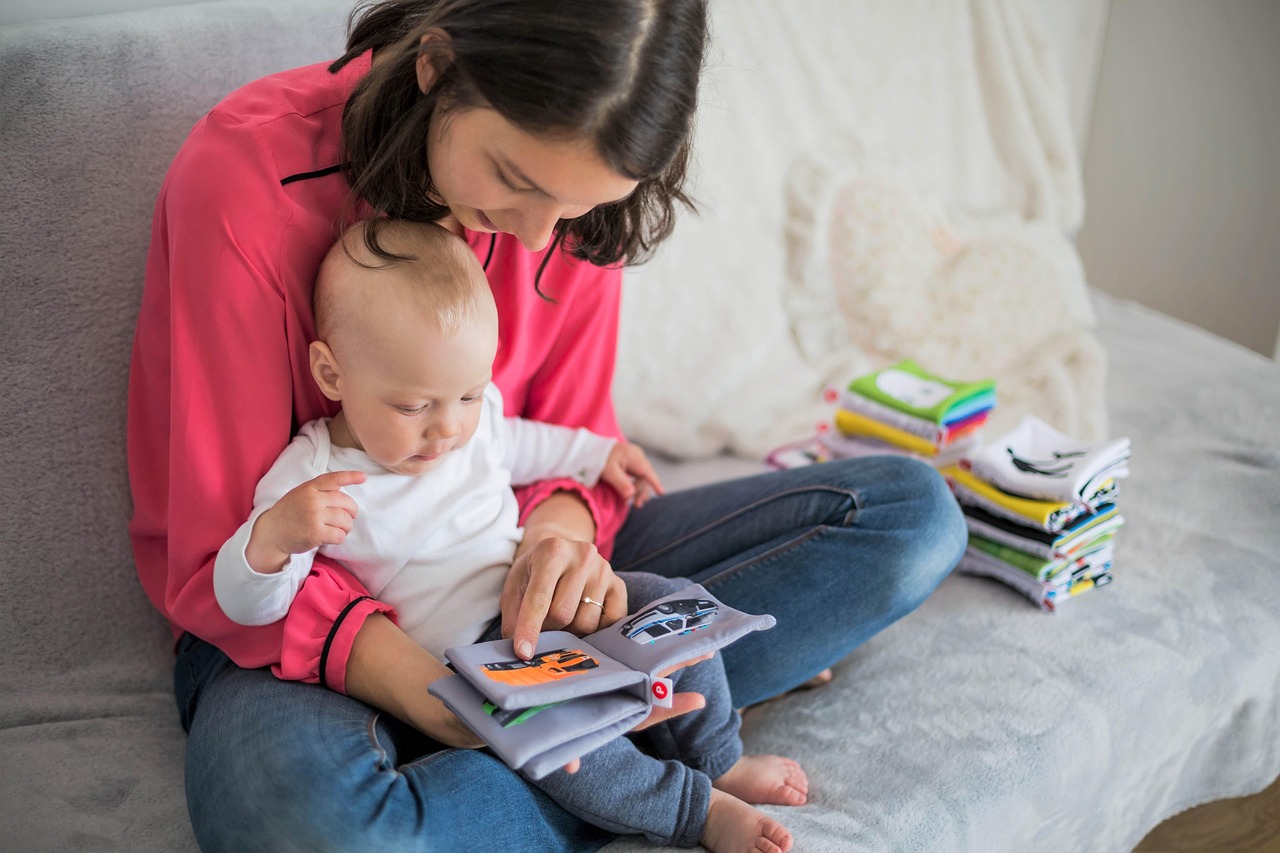
Use toys, sounds, and varied activities to create a rich environment that stimulates your baby’s senses and encourages new skills.
Engage in Talk and Play
Simple conversations, singing songs, and playing playful games like peek-a-boo stimulate your baby’s language skills and foster social interaction.
Maintain a Routine
Babies benefit from a structured day. Regular sleep, meal, and play times help them feel secure and free up energy for development and learning.
Monitor Progress
Keep an eye on your child’s progress and celebrate each new development. If you have concerns about your baby’s growth, discuss them with your pediatrician.
Conclusion
The first year is an exhilarating time filled with wonder and discovery. By understanding and anticipating the milestones your baby is working towards, you can effectively support their growth and development. Each milestone, from the first smile to the first step, builds the foundation of your child’s future successes in learning and growth. So, cherish these moments, provide encouragement, and watch your baby flourish in the amazing journey of development.