
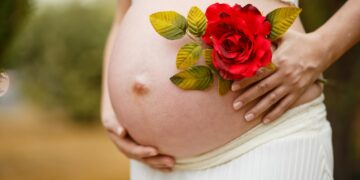






























Unlocking the Secrets of the Pregnancy Diet: Essential Nutrients for You and Your Baby
Embarking on the journey of pregnancy brings joy, excitement, and its fair share of anxieties, especially around nutrition. What you eat not only affects your health but also plays a critical role in your baby’s development. Understanding the essentials of a healthy pregnancy diet can boost your wellbeing and assure you’re providing the best nourishment for your growing baby.
Why Nutrition is Key During Pregnancy
During pregnancy, your body undergoes profound changes that require additional nutrients. A balanced diet ensures that you and your baby have enough energy and supports critical development phases. Consuming a variety of foods from different food groups helps in the development of the baby’s brain, bones, and organs and can reduce the risk of birth defects.
Vital Nutrients Needed in Pregnancy
The cornerstone of a healthy pregnancy diet involves integrating an array of essential nutrients. Each plays a unique role in ensuring both you and your baby’s health.
Folic Acid (Vitamin B9)
Folic acid is paramount in preventing neural tube defects, which affect the brain and spinal cord. Foods rich in folate, the natural form of vitamin B9, include leafy greens, citrus fruits, and beans. However, to meet the required intake of 400–600 micrograms, pregnant women are advised to take a daily supplement as prescribed by a healthcare provider.
Iron
Your iron needs nearly double during pregnancy, increasing to about 27 milligrams daily. Iron helps in producing haemoglobin, which transports oxygen to your body and to the baby. Great sources include lean meat, fortified cereals, and spinach. Pair these with vitamin C-rich foods like tomatoes or oranges to boost absorption.
Calcium
Required for building your baby’s bones and teeth, calcium also supports your nervous, muscular, and circulatory systems. Aim for at least 1,000 milligrams of calcium daily through dairy products, calcium-fortified plant-based beverages, or green leafy vegetables.
Vitamin D
Vitamin D works alongside calcium to support fetal skeletal development. A daily intake of at least 600 IU (international units) is recommended. Sun exposure helps your body synthesize this vitamin, but it can also be found in fortified milk, fatty fish, and prenatal vitamins.
Omega-3 Fatty Acids
These healthy fats are crucial for brain and eye development in the fetus. While fish such as salmon, mackerel, and sardines are excellent sources, it’s important to choose varieties low in mercury. Vegetarian sources like flaxseed and walnuts, as well as prenatal supplements, are viable options too.
Practical Eating Tips During Pregnancy
Integrating these nutrients into your daily meals can seem daunting at first. Here are some practical tips:
- Plan Balanced Meals: Include at least one food item from each food group in every meal to guarantee a nutritional boost.
- Snack Wisely: Opt for nutrient-dense snacks like yogurt, whole grain crackers, or a piece of fruit rather than reaching for sugary or fatty snacks.
- Stay Hydrated: Drink plenty of fluids throughout the day. Water is best, but small amounts of juice or milk are good for extra nutrients.
- Practice Safe Food Handling: Foodborne illnesses can be more severe during pregnancy, making it essential to handle and prepare meals safely.
Common Questions About Pregnancy Diet
Can I Stick to My Vegetarian Diet During Pregnancy?
Yes, you can maintain a vegetarian diet during pregnancy, but consider taking supplements to meet needs for nutrients like vitamin B12, vitamin D, and omega-3 fatty acids, which might be challenging to consume in adequate amounts through diet alone.
How Frequently Should I Eat?
Eating smaller, more frequent meals can help manage nausea and maintain steady blood sugar levels. Aim for three small-to-moderate meals and two to four snacks each day.
What Foods Should I Avoid?
To protect your baby from harmful bacteria such as listeria, avoid raw or undercooked seafood, eggs, and meat, unpasteurized dairy products, and certain seafood with high mercury levels.
Do I Need to Eat for Two?
The idea of eating for two is a bit misleading. While caloric needs increase during pregnancy, an additional 340 to 450 calories a day in the second and third trimesters is typically sufficient. Focus more on nutrient quality rather than quantity.
In Conclusion
Creating a nourishing environment for your baby does not require radical changes to your current diet, but rather thoughtful integration of specific nutrients and maintaining good dietary habits. Regular consultations with a healthcare provider can further personalize your diet to suit your specific needs and those of your baby. Remember, each bite during pregnancy can contribute to the healthy development of your baby, so make each one count!